
North Area
Northern Kyoto, where 1,200 years of weaving still lives.
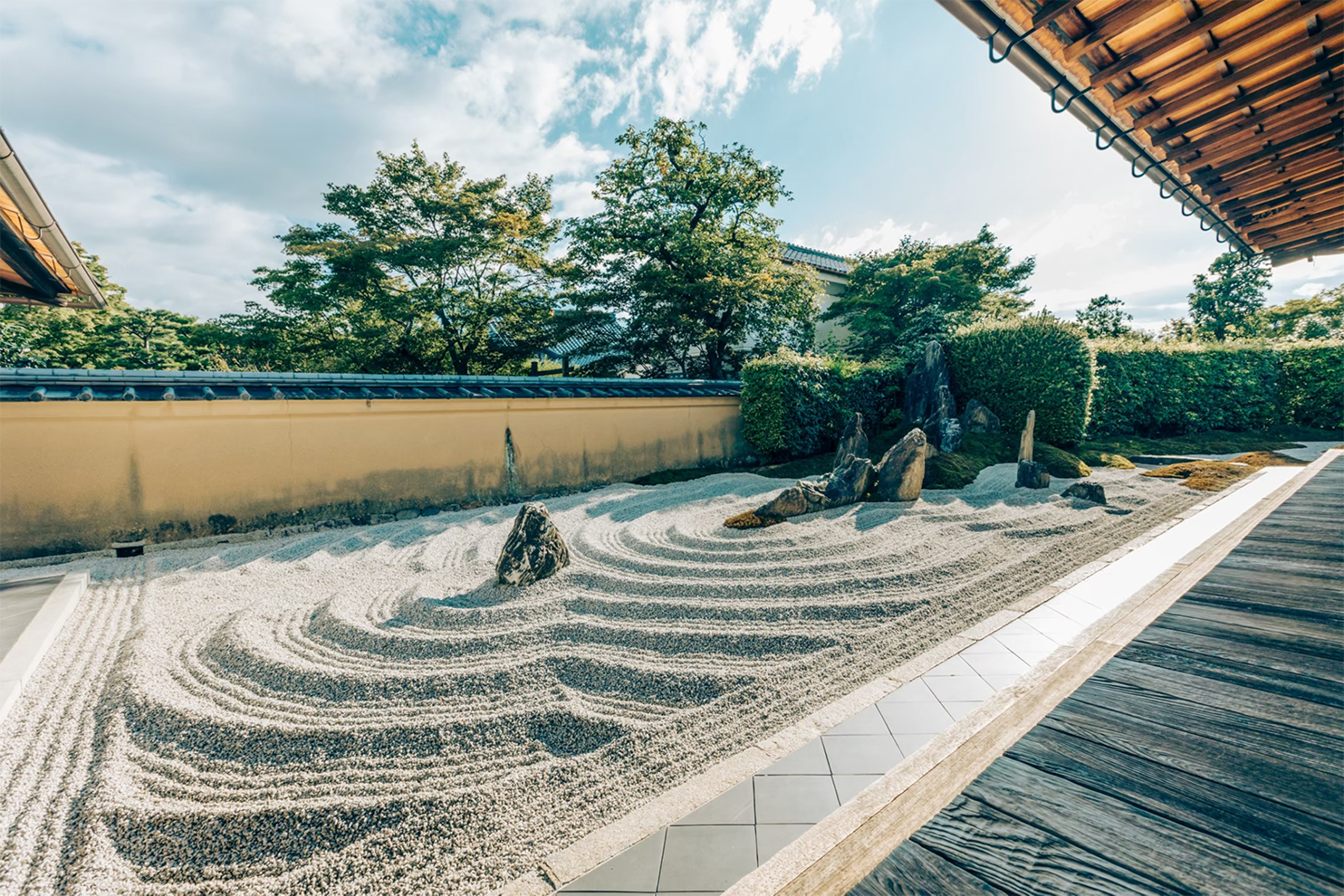
The north is the working half of Kyoto's cultural life. Nishijin has woven cloth for the court and the temples for twelve centuries, and the looms are still running behind ordinary-looking machiya frontages on streets most visitors never turn down.
It is also where the tea ceremony was shaped. Daitoku-ji is less a temple than a walled town of sub-temples, several of them founded by the men who defined sado, and a number keep tea rooms and gardens that can be visited on the right day.
In this area
-
The Nishijin district
Kyoto's weaving quarter, producing obi and kimono silk on hand and jacquard looms. Several workshops take visitors, and watching a single obi take shape does more to explain the price of one than any amount of description.
The Nishijin district
- Name from
- The Onin War, 1467-77
- Weaving here
- Over 1,200 years
- Workshops
- Visits by arrangement
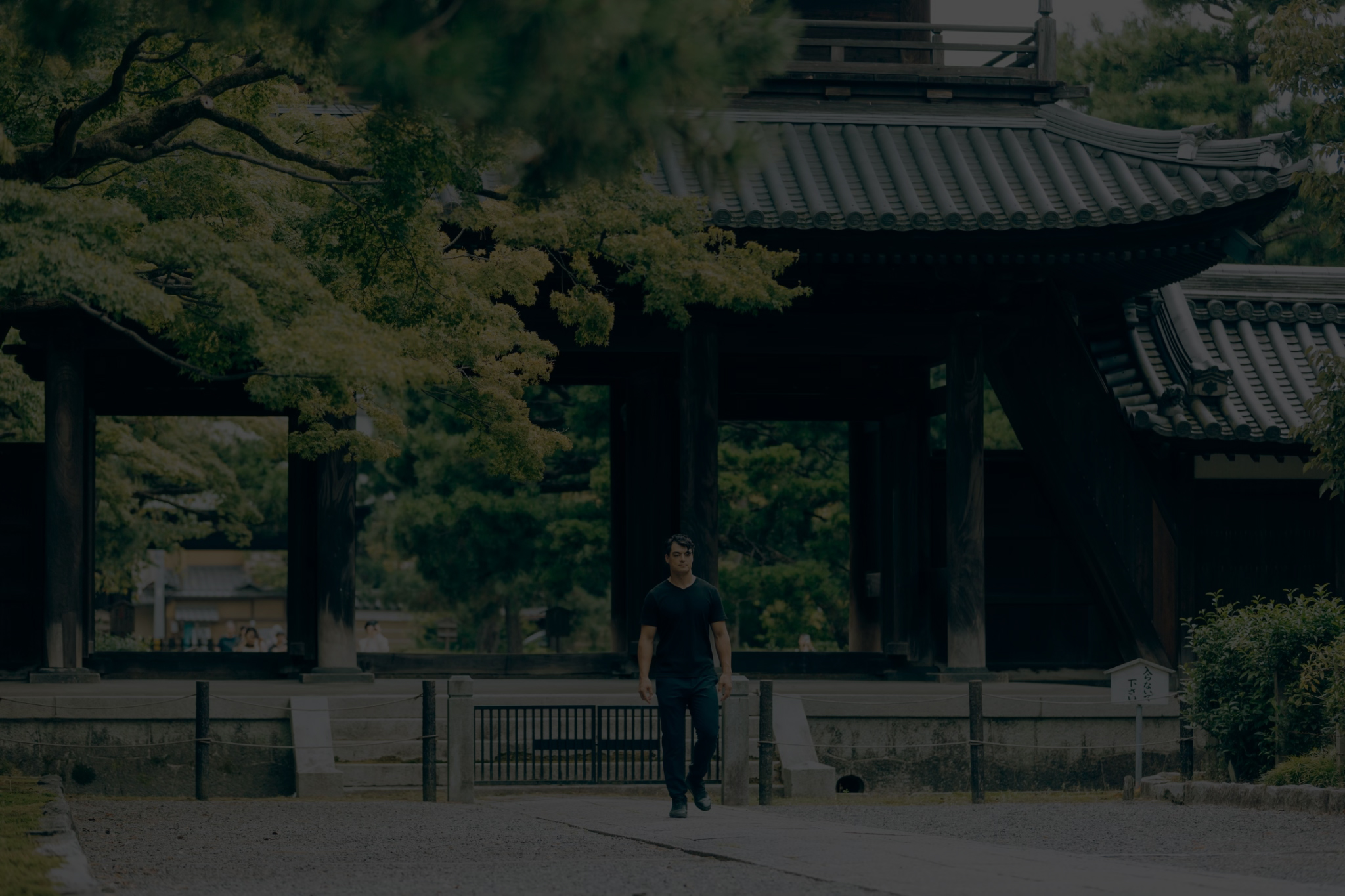
Weavers supplied the court from the founding of the capital. The Onin War of 1467 to 1477 scattered them, many to the port of Sakai where they met Ming Chinese techniques, and they returned afterwards to the ground the western army had camped on. Nishijin means western encampment, and the name attached itself to the cloth.
The work is divided among specialists; no one person takes a piece from thread to finished obi. Hand looms still run alongside jacquard machines behind ordinary machiya frontages on streets most visitors never turn down. Several workshops receive guests, and watching a single obi take shape explains its price better than any label.
-
Daitoku-ji
A Zen monastery of more than twenty sub-temples, closely tied to the development of the tea ceremony. Only a handful open to the public at any one time, and which ones changes — part of the appeal is that no two visits are the same.
Daitoku-ji
- Founded
- 1315
- Sub-temples
- Around two dozen
- Usually open
- Four
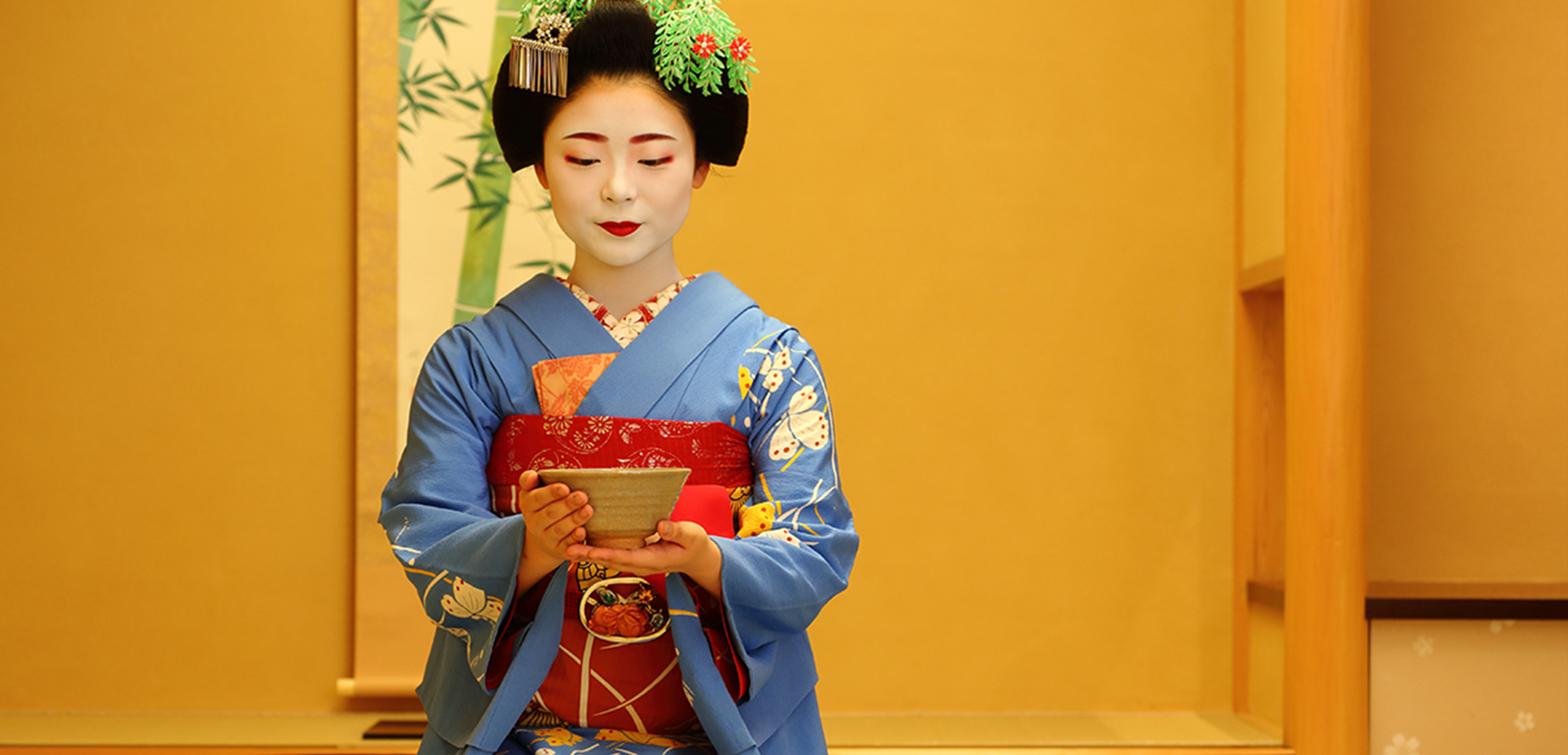
Less a temple than a walled quarter: some two dozen sub-temples, each behind its own gate, founded by warrior families from across the country. The complex dates from 1315, burned in the Onin War, and was rebuilt under the monk Ikkyu.
This is where the tea ceremony took its shape. Murata Juko, Takeno Joo and Sen no Rikyu were all bound up with Daitoku-ji, and Rikyu's grave is here. Four sub-temples open regularly, with Daisen-in's dry garden the usual first stop, while others open only in spring and autumn, so no two visits are quite the same.
-
Kamigamo Shrine
One of the oldest shrines in Kyoto, predating the city itself, and a UNESCO World Heritage Site. Two cones of raked sand stand in the outer precinct, a form that has been maintained here far longer than anywhere else.
Kamigamo Shrine
- Founded
- 678
- Status
- UNESCO World Heritage
- Aoi Matsuri
- 15 May
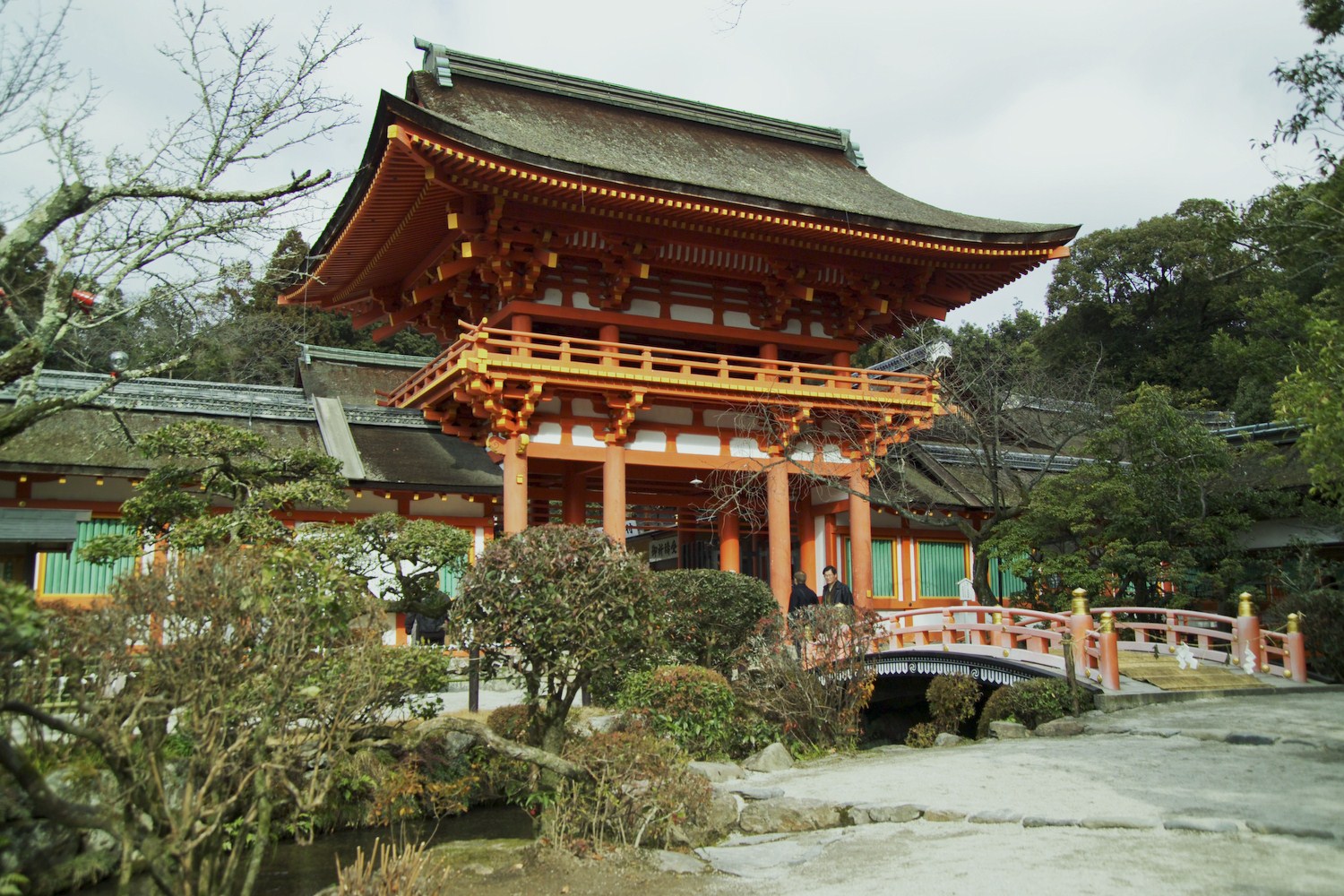
Founded in 678, more than a century before the capital moved here, and paired with Shimogamo downstream as the two Kamo shrines that guard the city from the north. The deity, Kamo Wakeikazuchi, is associated with thunder.
Two cones of sand called tatesuna stand before the hall, understood to stand for the sacred mountain behind the shrine, each finished with a single pine needle at the peak. Lawn and a clear stream take the place of gravel, so the grounds feel closer to a park than a precinct. On 15 May the Aoi Matsuri procession finishes here.
-
Kurama and Kibune
An hour north by local train into the mountains, with a hiking trail running over the ridge between the two villages. In summer, restaurants in Kibune build platforms directly over the river and serve dinner above the water.
Kurama and Kibune
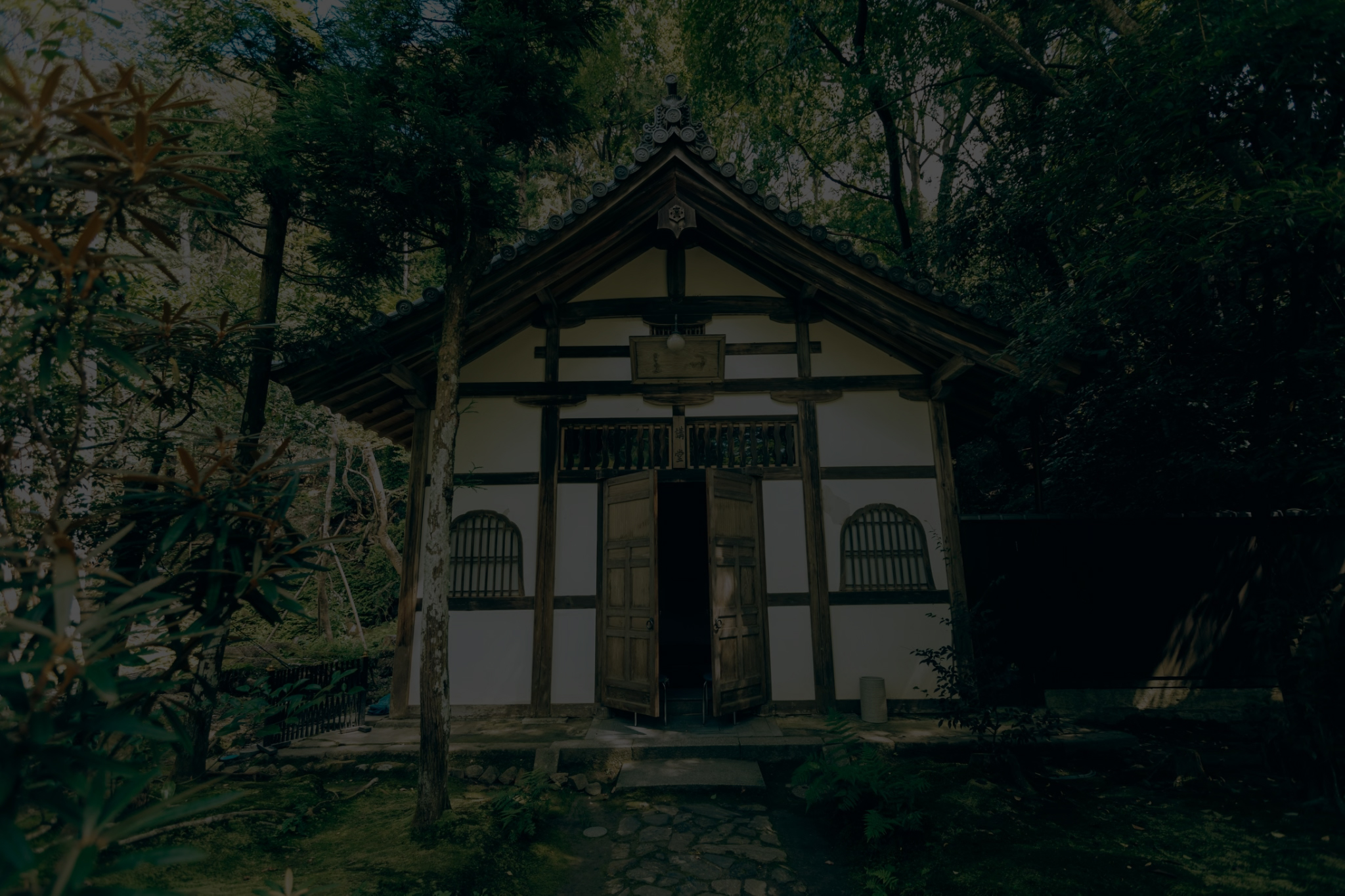
- Getting there
- Eizan line, about 30 min
- Ridge trail
- 1 to 2 hours
- Kawadoko
- May to September
The Eizan line runs north into the mountains from Demachiyanagi. Kurama-dera climbs the slope above the village on cedar-lined stone steps, with tengu throughout its imagery and the young Yoshitsune throughout its legends.
A trail crosses the ridge to Kibune in an hour or two. Walk it in that direction so the climb comes first and the meal last. Between May and September the Kibune restaurants build platforms directly over the river and serve kaiseki above the water, and the lantern-lined steps up to Kifune Shrine are the other reason to make the trip.
Planning a visit to the north area? Tell us what you would like to see.
Inquire