
Mapping The Culture
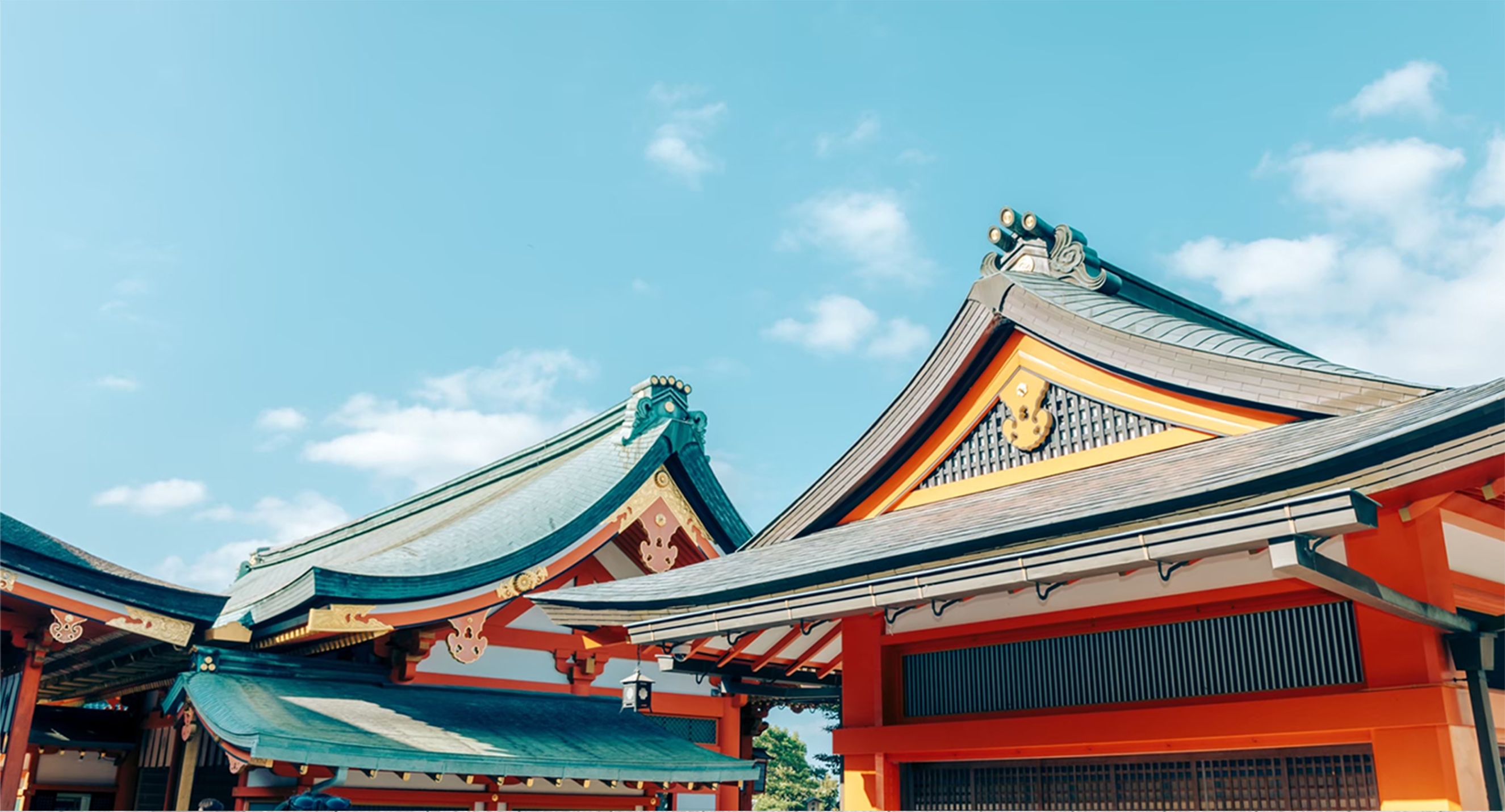
Japan Revealed builds a bridge between the past and the present. Through the tea ceremony and ikebana, painting and sculpture, textiles and gardens, we open the door to the finest of the culture and craft that Japan has carried forward for centuries.
Listen to what those before us taught, and see the present with fresh eyes. That is the journey we offer.
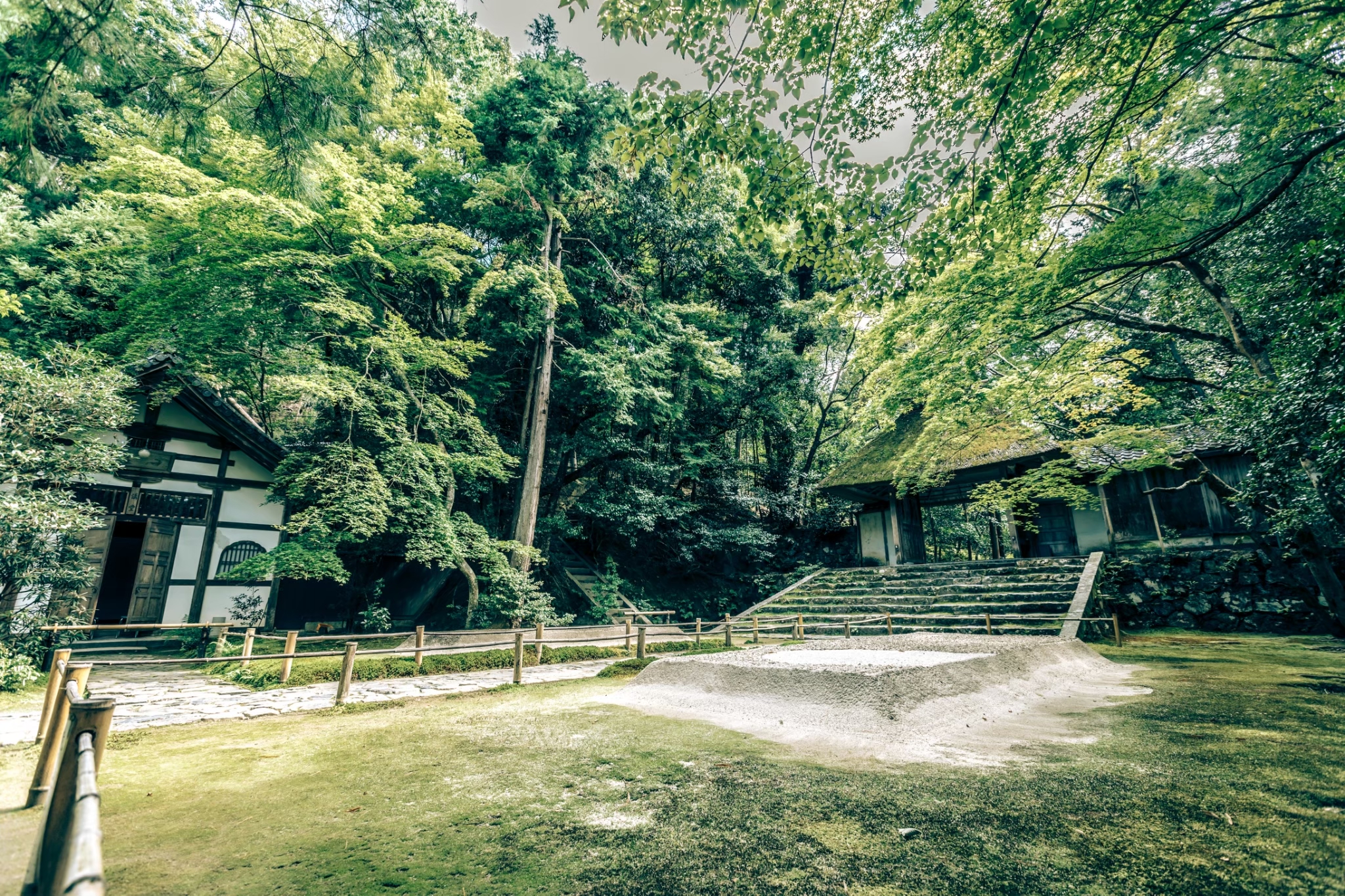
East Area
View moreOne landmark leads to the next across the eastern district.
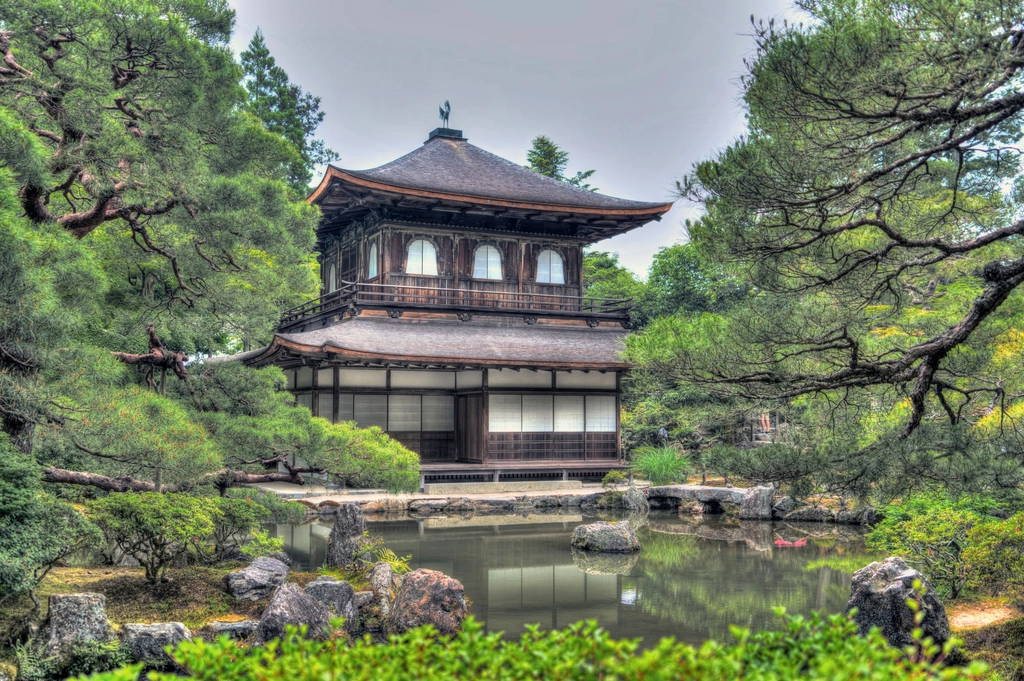
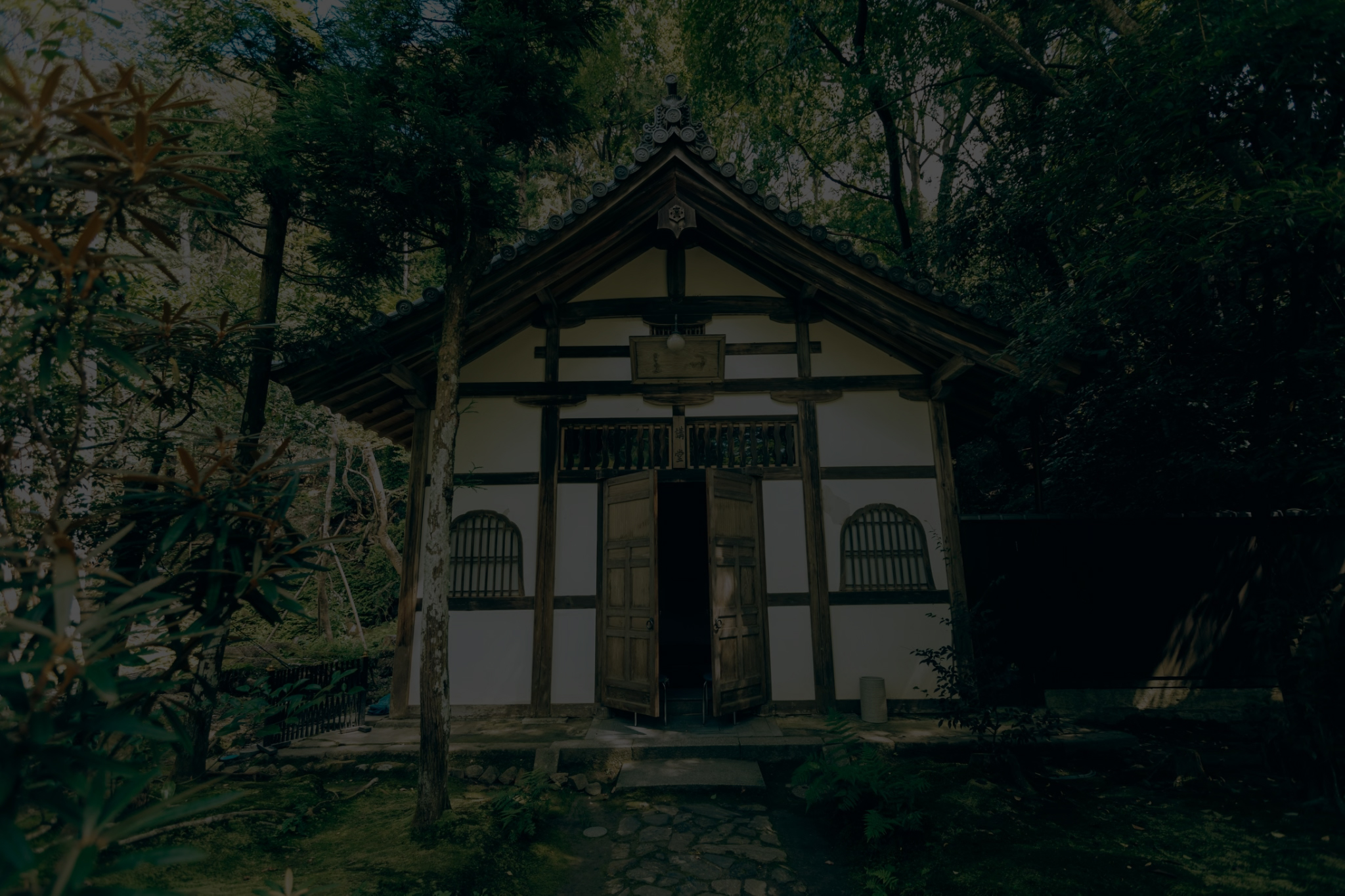
Many delights are to be found in the eastern district of Kyoto. Ginkaku-ji, also known as the Silver Pavilion, is a UNESCO World Heritage Site built in the 1400s. There is a beautiful stroll-through garden that makes use of shakkei (borrowed scenery), expanding in depth to the eastern
-
Ginkaku-ji
-
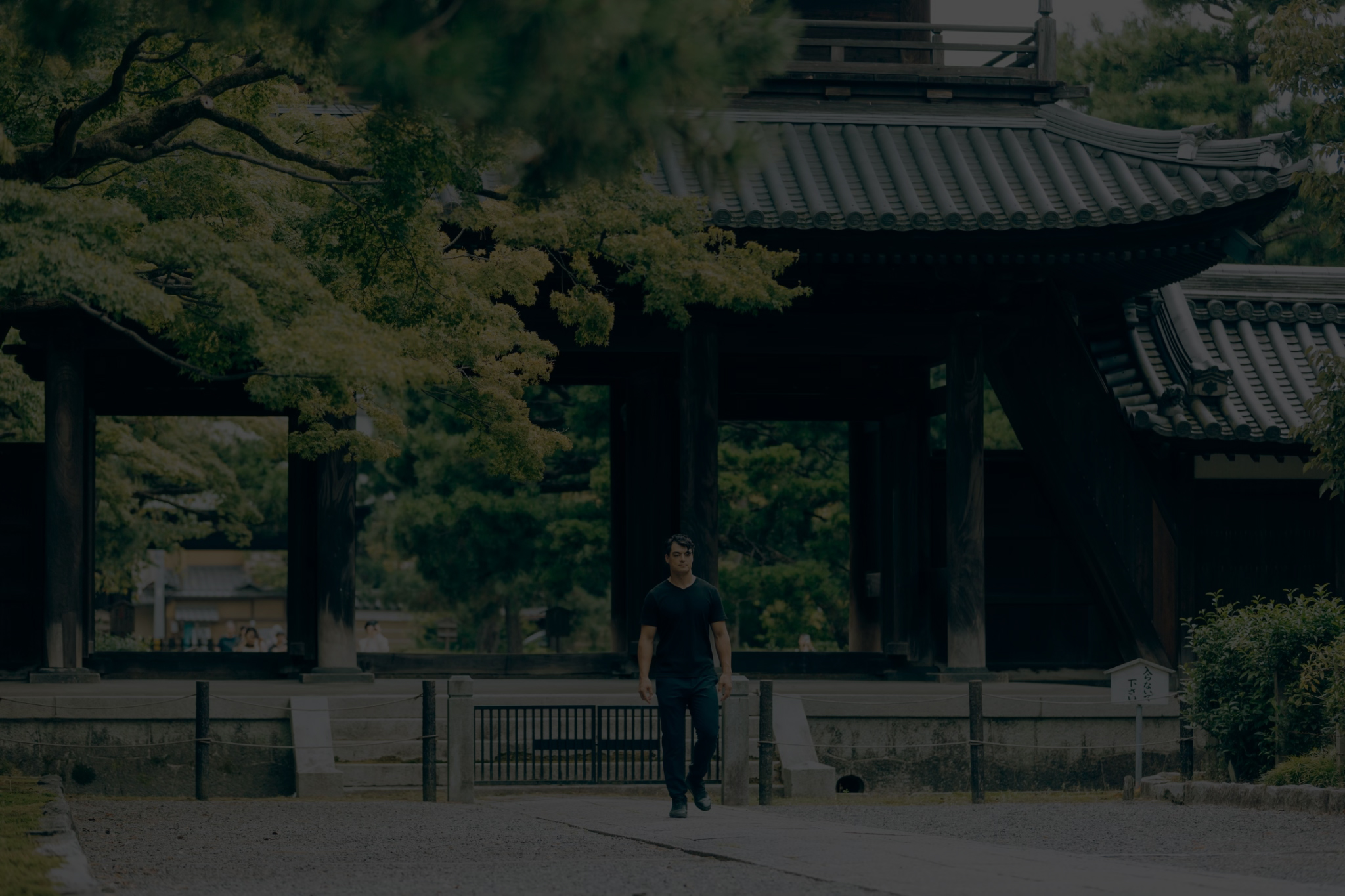
The Philosopher's Path
-
Kiyomizu-dera
South Area
View moreSouthern Kyoto, home to the most celebrated shrine of all.
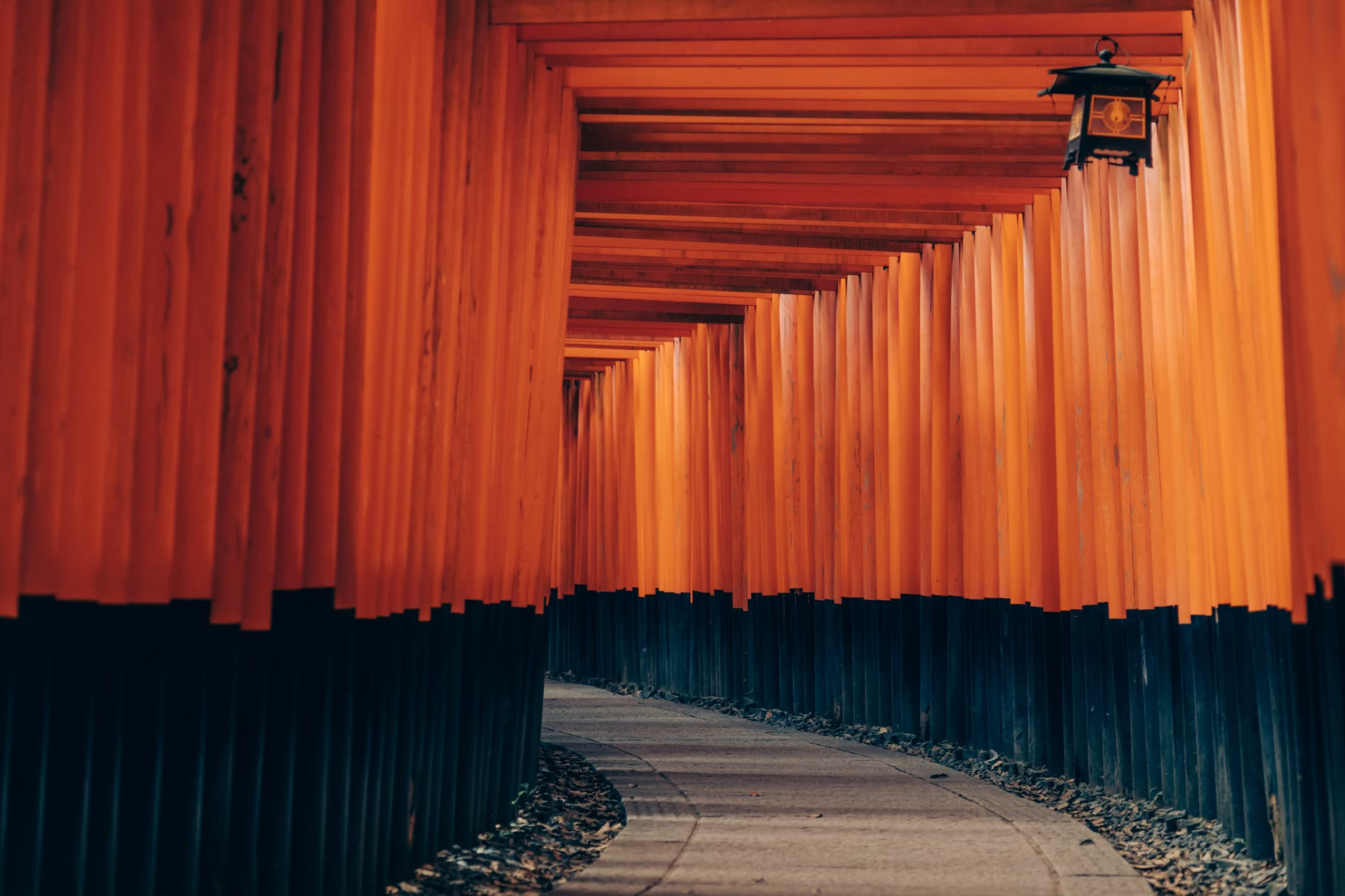
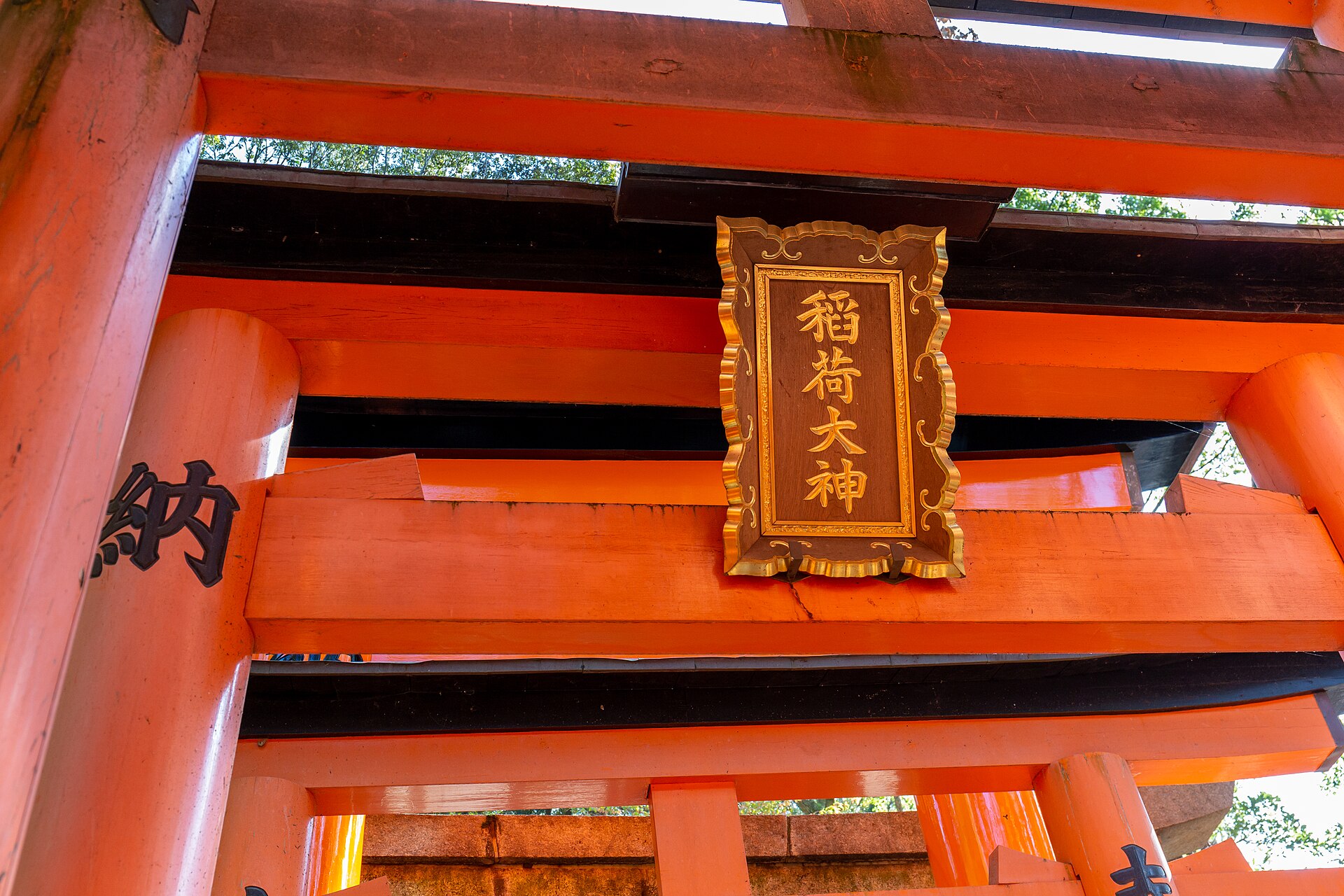
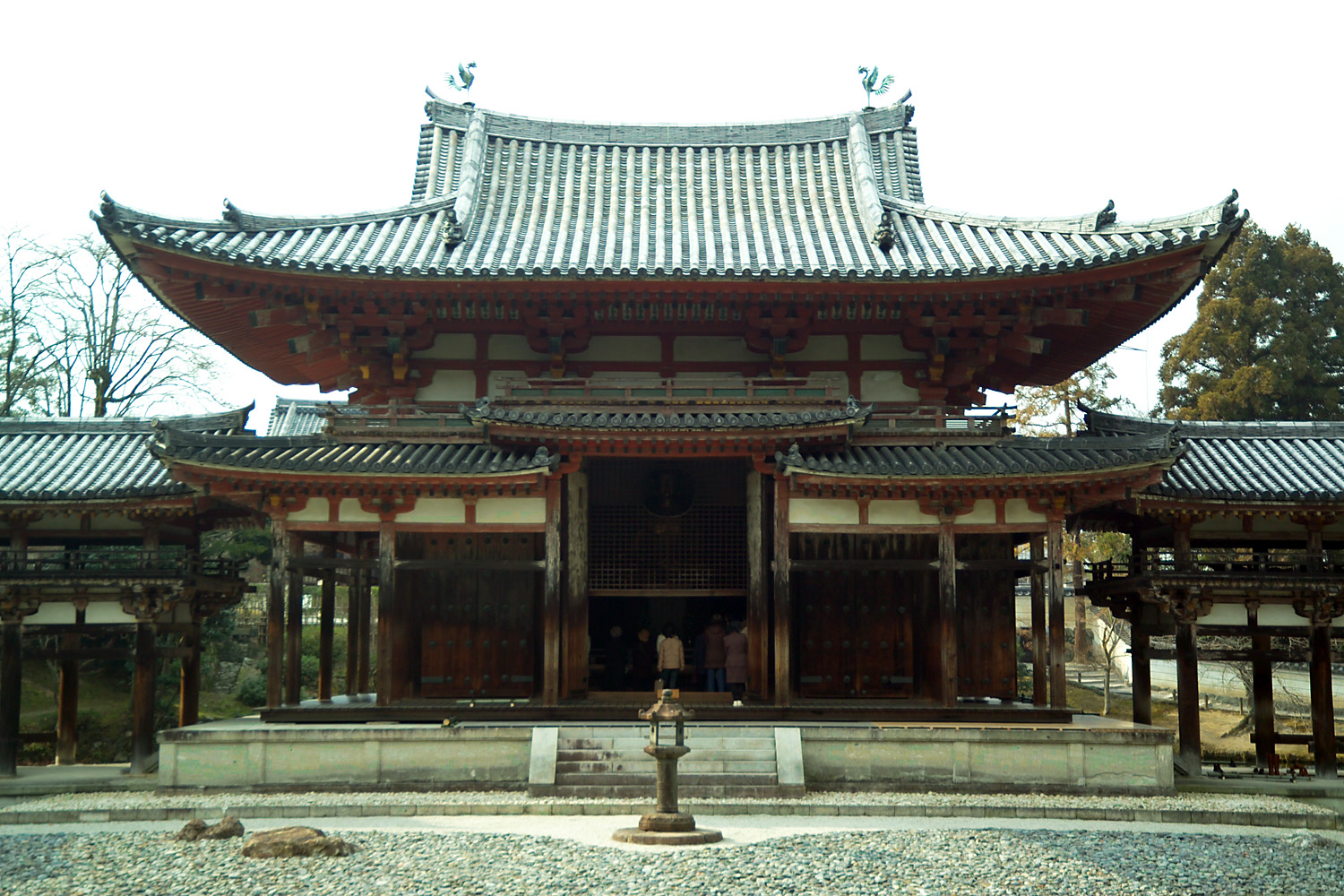
Here, one may savor the beauty of Fushimi Inari, a prominent Shinto Shrine constructed 1300 years ago, and encounters 10,000 wooden archway gates or Torii of many sizes welcoming visitors to Inari Mountain and the eastern mountain range of Kyoto. From there, the journey continues south to the
-
Fushimi Inari Taisha
-
Tofuku-ji

-
Byodo-in, Uji

West Area
View moreWestern Kyoto, long known for the beauty of its landscape.
Encounter the atmosphere of the western part of Kyoto, with a short escape to Arashiyama (Storm Mountain), a former domain of aristocratic residences centuries ago. Another prominent landmark is Tenryu-ji, one of the Buddhist monasteries focusing on teachings of
-
Tenryu-ji
-
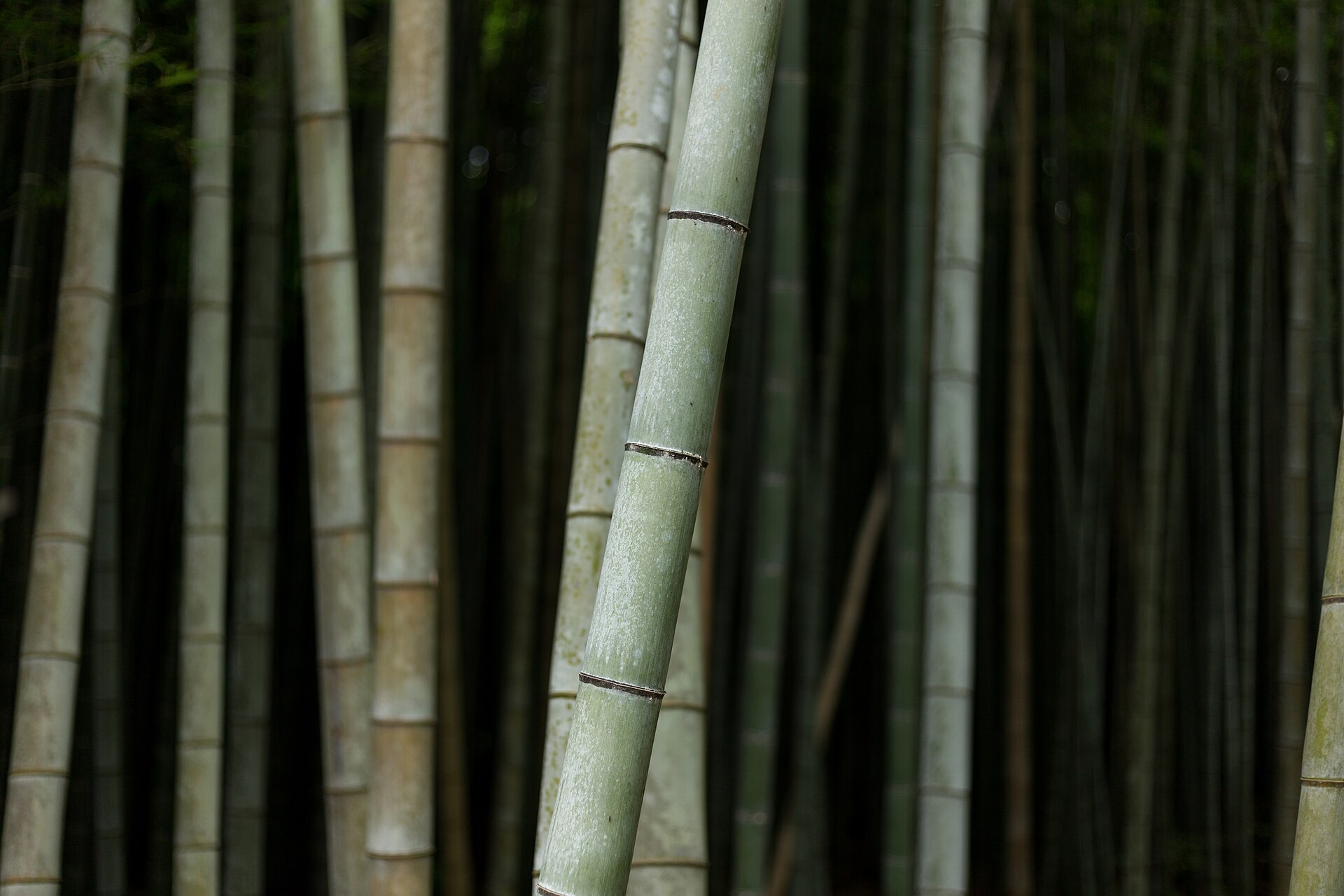
The bamboo grove
-
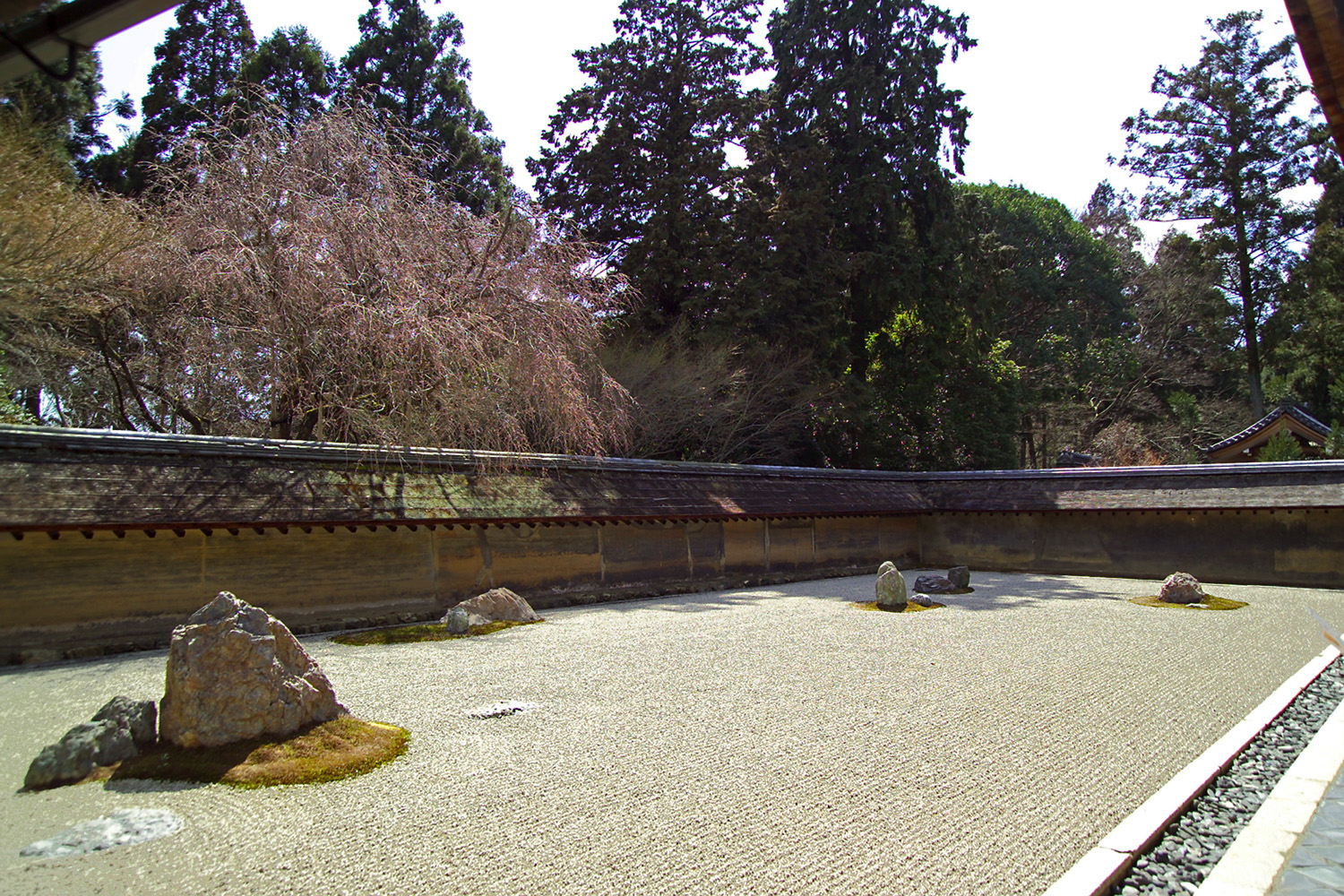
Ryoan-ji
North Area
View moreNorthern Kyoto, where 1,200 years of weaving still lives.
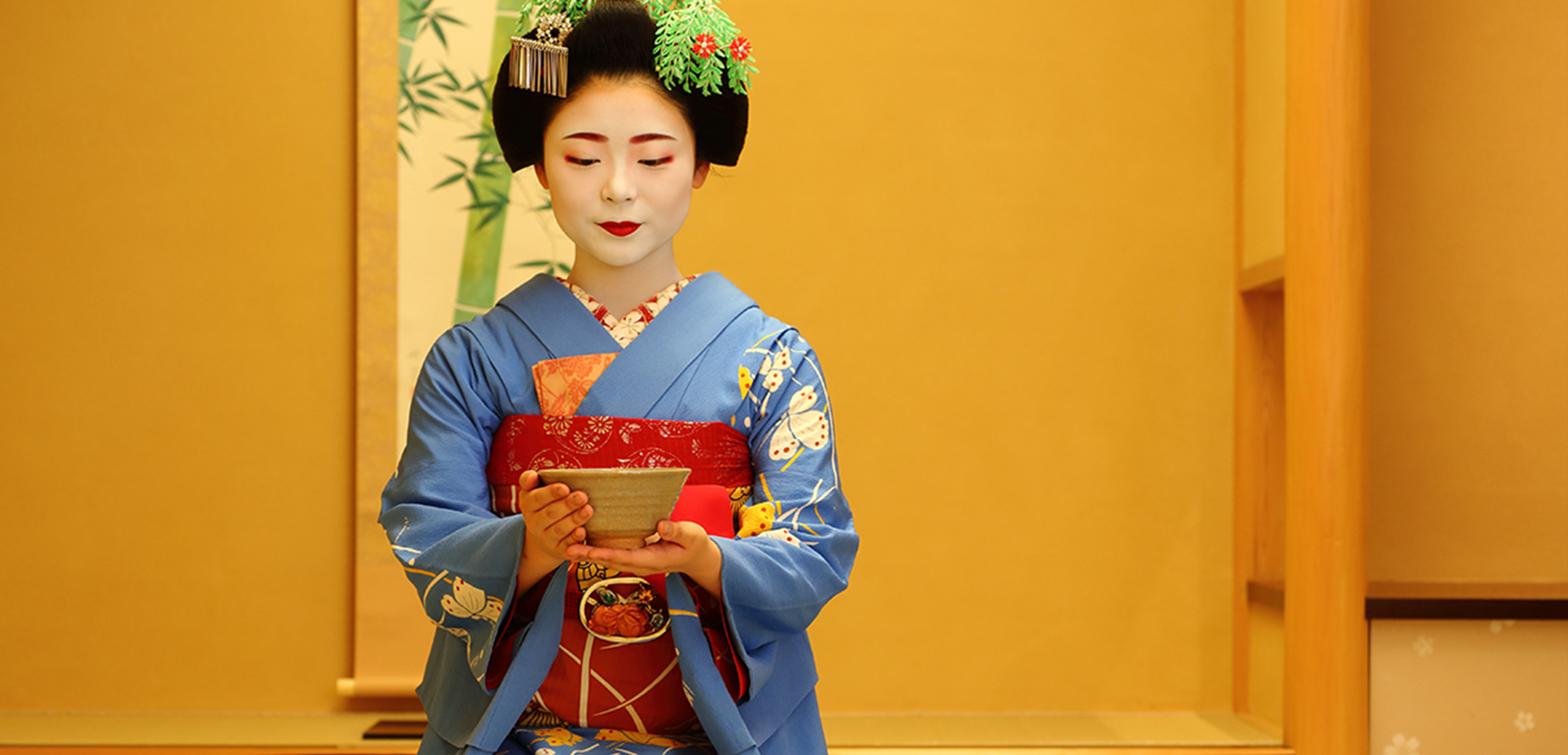
In the Northern region of Kyoto you will find the famous Nishijin District, an area where some of the world's greatest textiles are woven with breathtaking artisanship, dating back 1200 years from the ancient capital of Kyoto. An astonishing yet subtle beauty can be found in the Zen monastery of Daitokuji, famous for sado
-
The Nishijin district
-
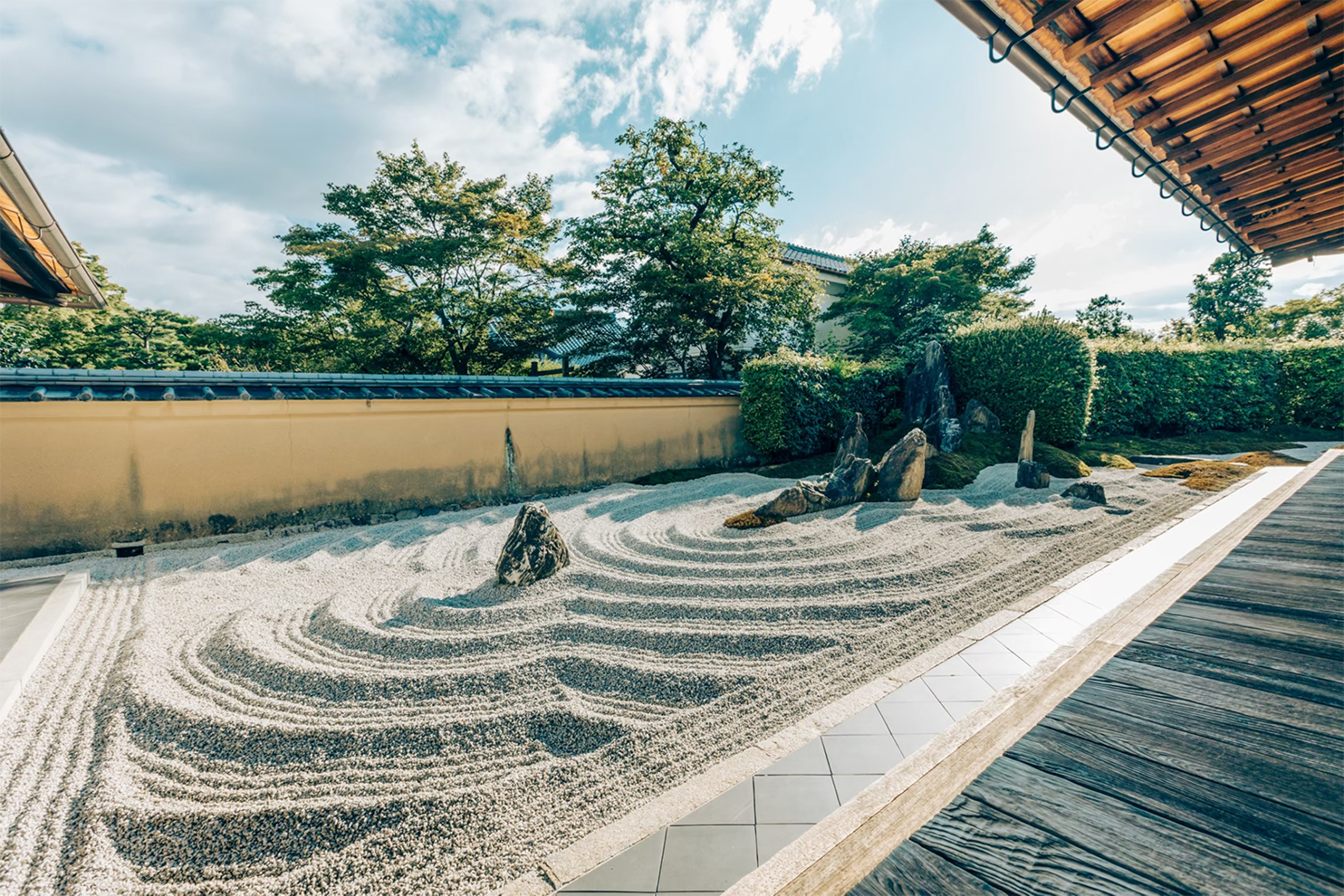
Daitoku-ji
-
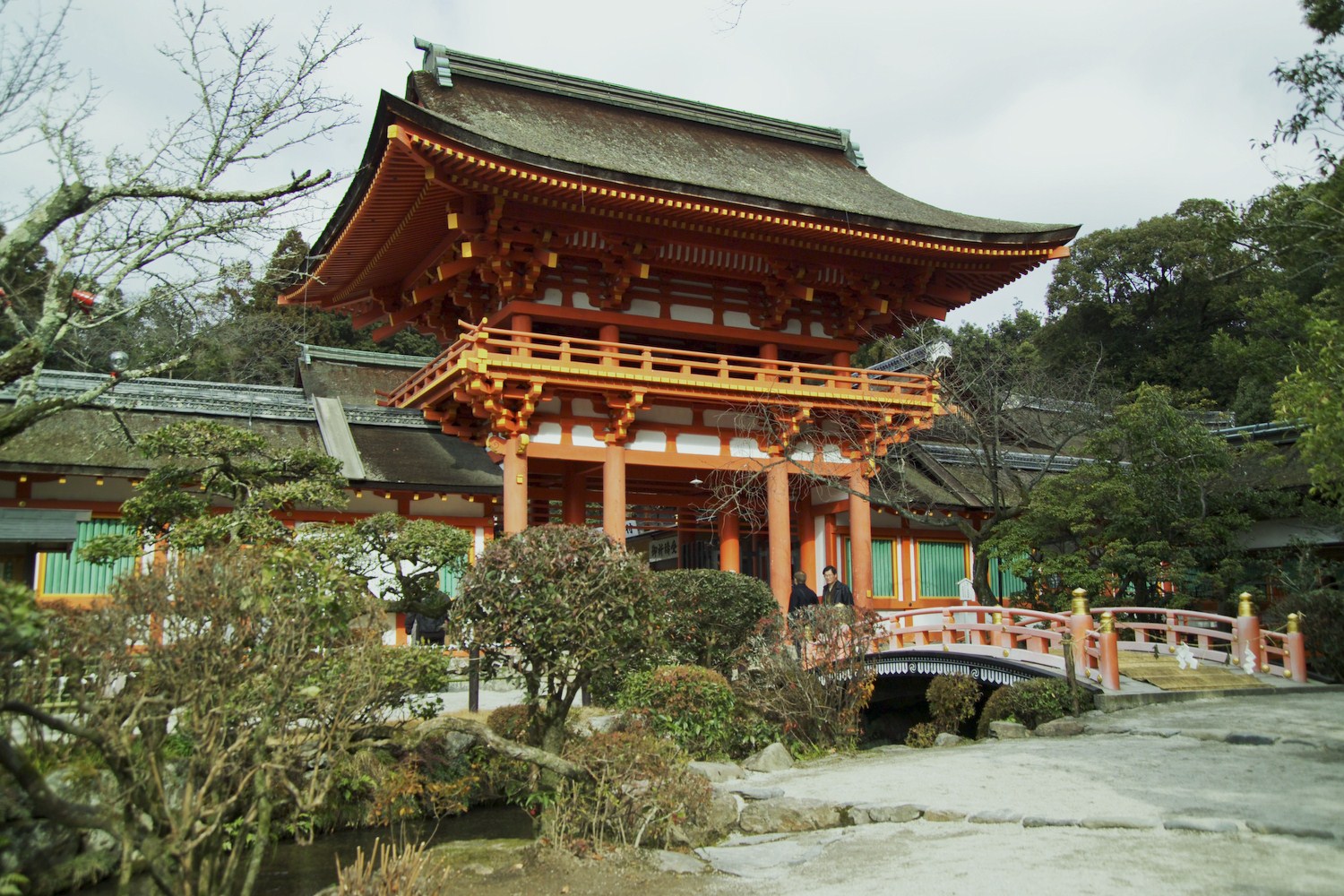
Kamigamo Shrine
Other Area
View moreLeave the city behind for the hills and villages beyond.
Leave the city behind for Ohara, a satoyama village of terraced fields and quiet hills. Here you can visit a traditional textile workshop and walk the gardens of Sanzen-in, and browse the roadside shops for pickles, sweets and other local specialities.
-
Ohara
-
Takao
-
Miyama