
South Area
Southern Kyoto, home to the most celebrated shrine of all.
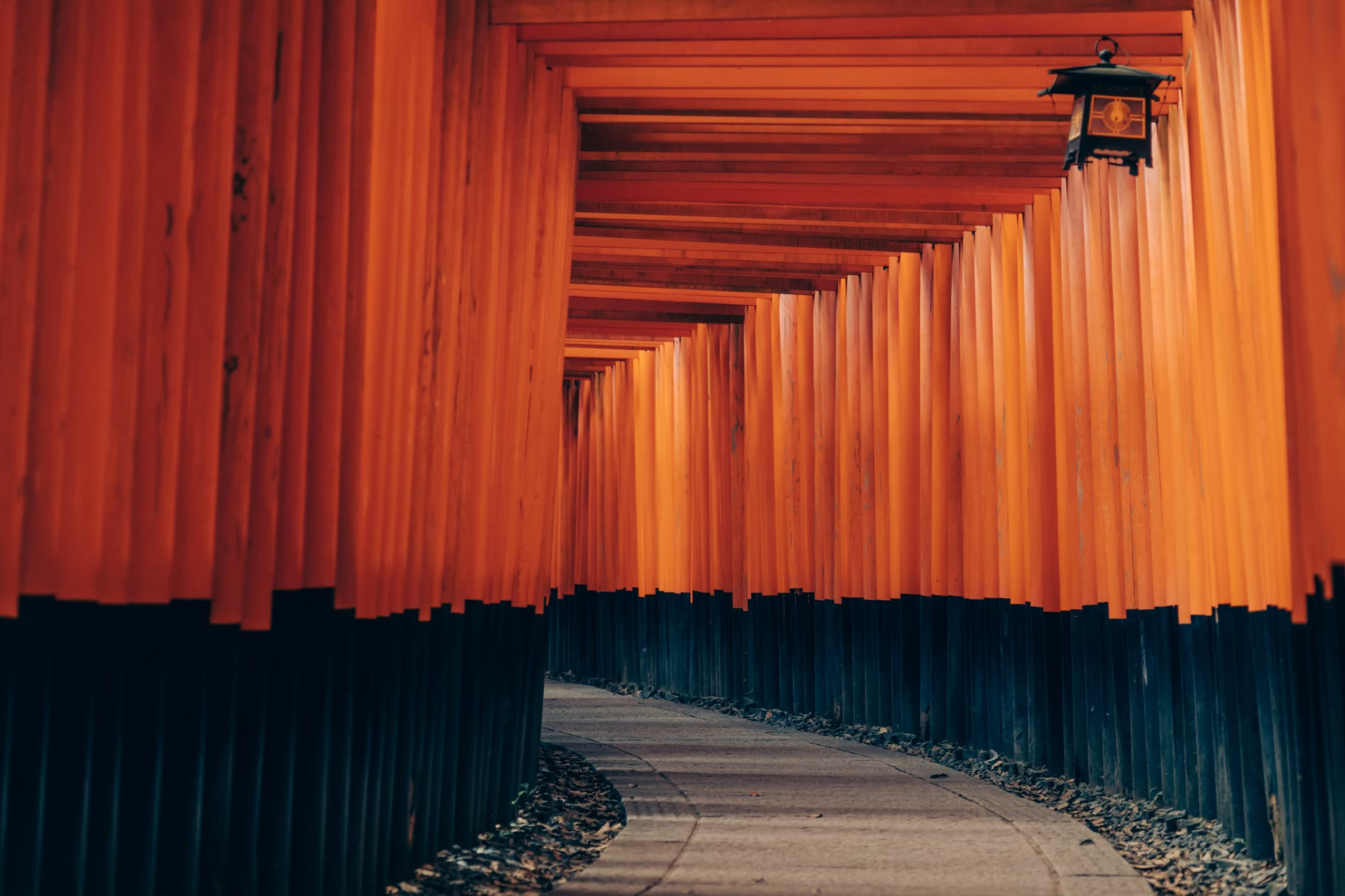
The south is the part of Kyoto people picture before they arrive: a tunnel of vermilion gates climbing a wooded mountain. It is also the part most worth starting early, since the shrine is at its best before the first trains bring the crowds.
Further south the character changes. Fushimi is a sake-brewing quarter of white-walled warehouses and canals, and beyond it lies Uji, where Japanese tea culture took root and has stayed for eight centuries.
In this area
-
Fushimi Inari Taisha
Thousands of torii gates, each donated by a business, form a path up Mount Inari. Most visitors turn back at the first viewpoint; continuing to the summit takes two to three hours round trip and the crowds thin out almost entirely.
Fushimi Inari Taisha
- Founded
- 711
- Summit
- 233 m
- Full circuit
- 2 to 3 hours
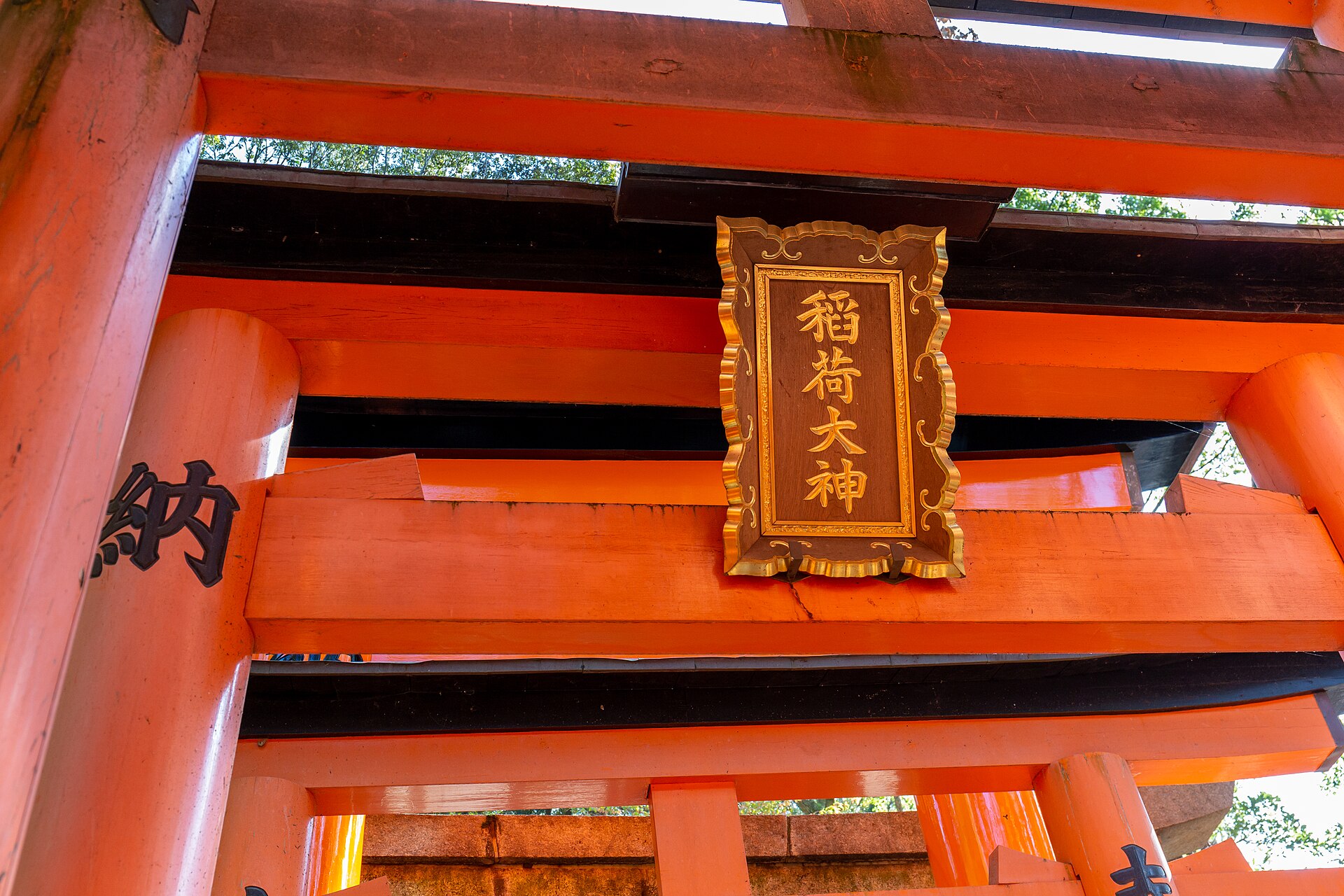
The head shrine of the Inari faith, founded in 711, before Kyoto was the capital. Tens of thousands of Inari shrines across Japan look back to this one. Inari is the deity of rice, sake and prosperity, which is why stone foxes, the deity's messengers, appear throughout the grounds.
Every gate is a donation, with the donor's name and date painted on the back, a practice that took hold in the Edo period. Most visitors turn back at the Yotsutsuji viewpoint about halfway up; the full loop over the 233-metre summit takes two to three hours and is close to empty by comparison. Before seven in the morning is the only dependable way to have the lower tunnel to yourself.
-
Tofuku-ji
A large Zen complex famous for the maple valley crossed by its covered bridge, and for a modernist rock garden laid out in the 1930s. Spectacular in late autumn, and quiet for most of the rest of the year.
Tofuku-ji
- Founded
- 1236
- Hojo gardens
- 1939
- Peak colour
- Late November
Founded in 1236 by the regent Kujo Michiie, who wanted a Kyoto temple to stand alongside Todai-ji and Kofuku-ji in Nara; the name borrows a character from each. The Sanmon gate, rebuilt in the 1420s, is the oldest Zen main gate in the country.
The maple valley crossed by the Tsutenkyo bridge is what draws the November crowds. The quieter reward is the set of four gardens around the abbot's quarters, laid out in 1939 by Mirei Shigemori: stone islands in raked gravel to the south, a checkerboard of moss and cut stone to the west, and seven pillars arranged as the Big Dipper to the east.
-
Byodo-in, Uji
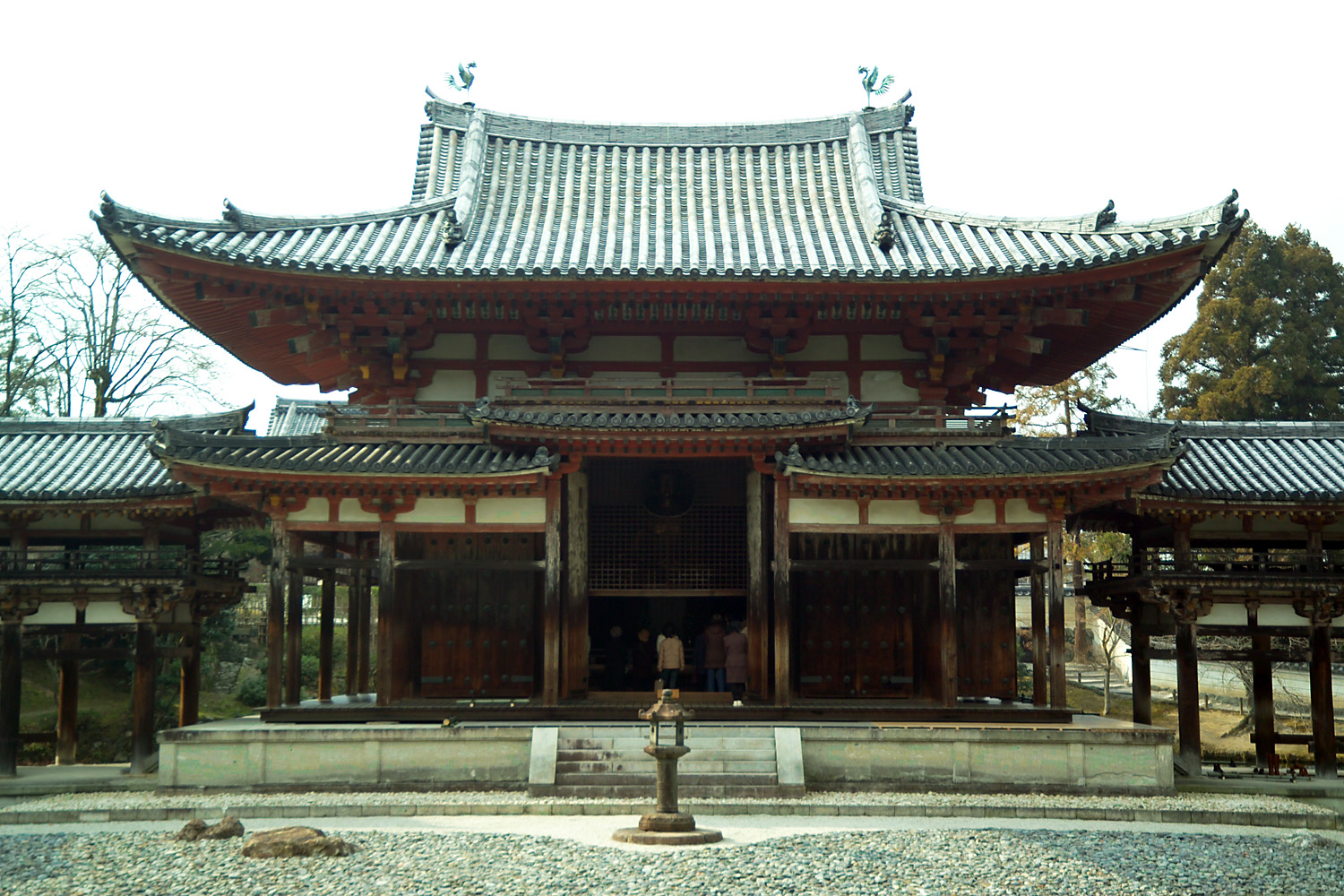
The Phoenix Hall, built in 1053 and reflected in its own pond, is familiar to everyone in Japan — it appears on the ten yen coin. A UNESCO World Heritage Site, and the reason most people make the short trip out to Uji.
Byodo-in, Uji
- Phoenix Hall
- 1053
- Status
- UNESCO World Heritage
- Also seen on
- The 10 yen coin
A Fujiwara villa became a temple in 1052, and the Phoenix Hall was finished the year after as a model of the Western Paradise: a building meant to show people what paradise looked like, set on an island in its own pond.
Inside is Jocho's gilded Amida, ringed by fifty-two bodhisattvas riding clouds. The hall appears on the ten yen coin and its roof phoenixes on the ten thousand yen note. Interior visits run on timed tickets in small groups, so it is worth taking a slot the moment you arrive rather than after walking the garden.
-
The tea houses of Uji
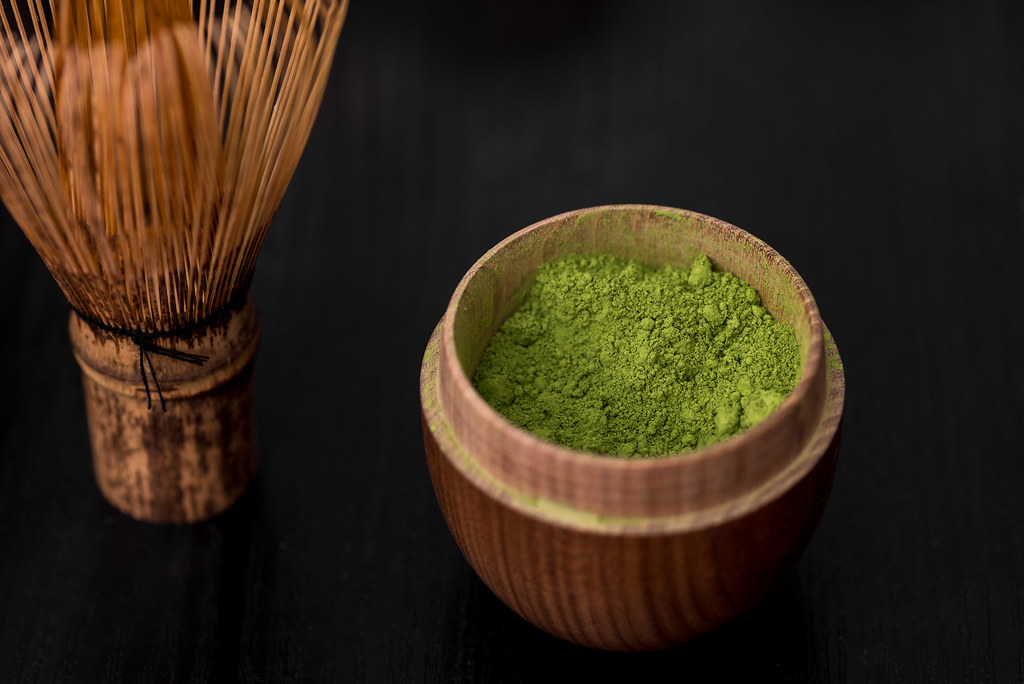
Uji has grown tea since the 1200s and several of its houses have been in the same family for centuries. Sitting down for a properly prepared bowl of matcha here is a different experience from drinking it anywhere else.
The tea houses of Uji
- Tea grown here since
- The 1200s
- From Byodo-in
- 10 minute walk
- Ask for
- Gyokuro
Tea reached Uji in the thirteenth century and the town has been refining it ever since. River mist and well-drained slopes suited the plant, and Uji matcha became the standard against which the rest of Japan measured itself.
Several houses on the street between the station and Byodo-in have been in the same family for centuries, and most will prepare a bowl properly rather than hand it over as a novelty. Gyokuro, shaded for weeks before picking, is what to order if you want to understand why the fuss exists.
Planning a visit to the south area? Tell us what you would like to see.
Inquire